
Fatty liver disease happens when too much fat builds up in the liver. A small amount of fat in the liver is normal, but too much can damage the liver over time.
The liver is an important organ that helps to:
- Remove toxins from the body
- Digest food
- Store energy
- Control blood sugar and cholesterol levels
When excess fat collects in the liver, the liver may become inflamed and scarred.
Types of Fatty Liver Disease
Non-Alcoholic Fatty Liver Disease (NAFLD)
This is the most common type. It occurs in people who drink little or no alcohol. It is often linked to:
- Obesity
- Diabetes
- High cholesterol
- High blood pressure
- Lack of exercise
Alcohol-Related Fatty Liver Disease
This type is caused by heavy alcohol use.
Risk Factors
You are more likely to develop fatty liver disease if you:
- Are overweight or obese
- Have type 2 diabetes
- Have high cholesterol or triglycerides
- Have high blood pressure
- Eat unhealthy foods high in sugar or fat
- Exercise very little
- Drink excess alcohol
Symptoms
Many people have no symptoms, especially in the early stages.
Some people may experience:
- Tiredness or fatigue
- Weakness
- Pain or discomfort in the upper right side of the abdomen
- Nausea
- Loss of appetite
In severe cases, symptoms may include:
- Yellowing of the eyes or skin (jaundice)
- Swelling of the abdomen or legs
- Easy bruising
- Confusion
How Is It Diagnosed?
Your healthcare provider may use:
- Medical history and physical examination
- Blood tests
- Ultrasound scan
- CT scan or MRI
- FibroScan
- Occasionally a liver biopsy
Treatment
Fatty liver disease can often be improved or reversed with healthy lifestyle changes.
Weight Loss
Losing weight is one of the most effective treatments. Even a small weight loss can improve liver health.
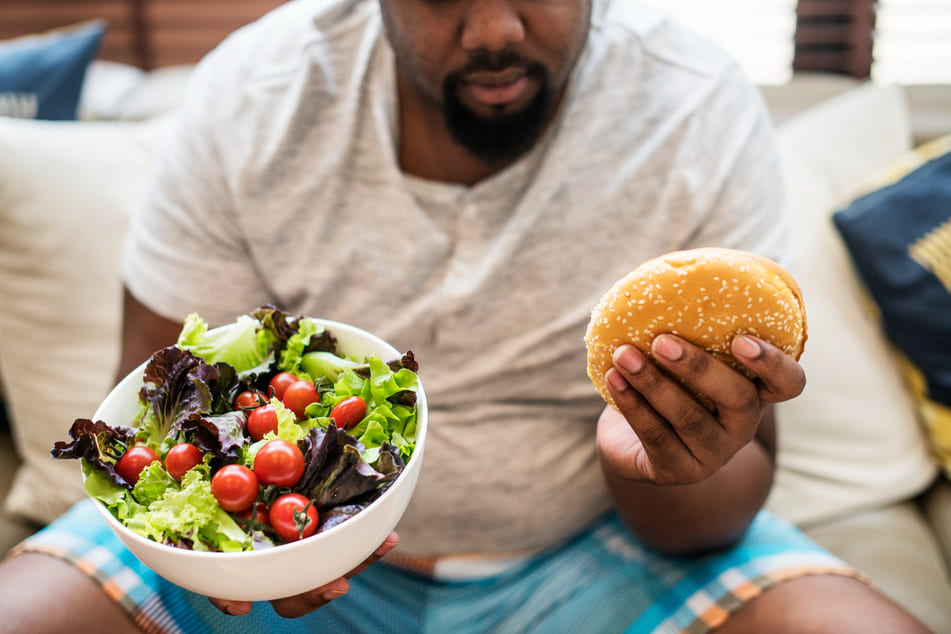
Healthy Diet
Choose foods such as:
- Fruits and vegetables
- Whole grains
- Beans and legumes
- Lean proteins like fish or chicken
Limit:
- Sugary foods and drinks
- Fried foods
- Processed foods
- Excess fatty foods
Exercise
Aim for regular physical activity such as:
- Walking
- Cycling
- Swimming
- Gym exercises
Try to exercise for at least 30 minutes on most days.
Avoid Alcohol
Alcohol can worsen liver damage. Your doctor may advise avoiding alcohol completely.
Control Other Medical Conditions
It is important to manage:
- Diabetes
- High blood pressure
- High cholesterol
Take medications exactly as prescribed.
Dyslipidemia and Fatty Liver Disease
Dyslipidemia means unhealthy levels of fats in the blood, including:
- High cholesterol
- High triglycerides
- Low HDL (“good”) cholesterol
Dyslipidemia is common in people with fatty liver disease and can increase the risk of heart disease and liver damage.
Ways to Improve Cholesterol Levels
- Eat a healthy diet
- Exercise regularly
- Lose excess weight
- Reduce sugary and fatty foods
- Take cholesterol medications if prescribed
Possible Complications
If untreated, fatty liver disease may lead to:
- Liver inflammation
- Liver scarring (fibrosis)
- Cirrhosis
- Liver failure
- Liver cancer
When Should You Seek Medical Care?
Seek medical attention if you notice:
- Yellow eyes or skin
- Severe abdominal swelling
- Vomiting blood
- Black stools
- Severe weakness or confusion
Living With Fatty Liver Disease
Many people with fatty liver disease live healthy lives by making lifestyle changes and attending regular medical checkups.
Helpful Tips
Maintain a healthy weight
- Eat balanced meals
- Stay physically active
- Avoid alcohol
- Attend follow-up appointments
- Take medicines as directed
Key Message
Fatty liver disease is common but often preventable and reversible. Healthy eating, exercise, weight control, and proper management of cholesterol and diabetes can protect your liver and improve your overall health.