

A Patient Education Guide
Obesity is becoming increasingly common worldwide and is now linked to many chronic health conditions, including diabetes, hypertension, heart disease, fatty liver disease, and kidney disease. Understanding body fat — especially harmful visceral fat — is an important step toward improving long-term health and wellbeing.
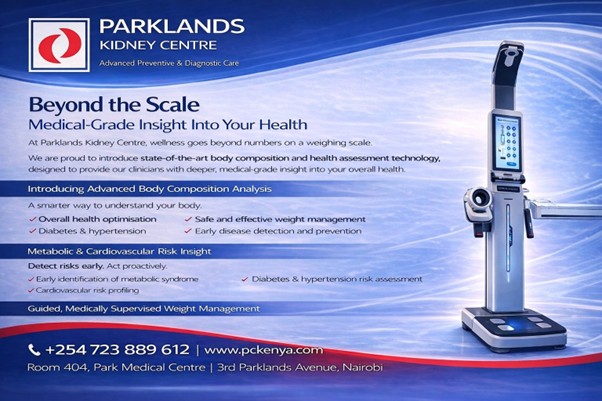
At Parklands Kidney Centre, we believe that health assessment goes beyond the number on a weighing scale. Modern body composition analysis helps healthcare providers better understand your overall health and identify hidden risks early.
What Is Obesity?
Obesity is a medical condition in which excess body fat builds up to a level that may affect health. It is more than just a cosmetic concern — obesity can increase the risk of serious health problems and may affect energy levels, mobility, sleep, and overall wellbeing.
Obesity is commonly assessed using the Body Mass Index (BMI), which compares weight to height.
BMI Categories
- Healthy weight: BMI 18.5–24.9
- Overweight: BMI 25–29.9
- Obesity: BMI 30 or higher
While BMI is a useful screening tool, it does not directly measure body fat or muscle mass. Some individuals may have a normal BMI but still carry unhealthy levels of visceral fat.
Healthcare providers may also assess:
- Waist circumference
- Blood pressure
- Blood sugar
- Cholesterol levels
- Body composition measurements
The Hidden Danger: Visceral Fat
Not all body fat is the same.
The fat located just beneath the skin is called subcutaneous fat. While excess subcutaneous fat can contribute to obesity, a more dangerous type of fat is known as visceral fat.
Visceral fat is deep abdominal fat that surrounds important organs such as the:
- Liver
- Pancreas
- Intestines
- Kidneys
This type of fat may not always be visible from the outside, which is why it is often called the “hidden danger.”
Why Is Visceral Fat Dangerous?
High levels of visceral fat can affect how the body functions and significantly increase the risk of chronic disease.
Visceral fat can:
- Increase chronic inflammation
- Raise blood pressure
- Cause insulin resistance
- Elevate blood sugar levels
- Increase the risk of Type 2 Diabetes
- Increase the risk of Coronary Artery Disease
- Increase the risk of Stroke
- Contribute to fatty liver disease
- Increase the risk of kidney disease
Excess visceral fat may also damage blood vessels and increase the risk of chronic kidney disease by contributing to hypertension and diabetes.
Even people with a normal body weight may still have high visceral fat and increased health risks.
Understanding Body Composition Analysis
Modern body composition analysis goes beyond simple weight measurement. It helps healthcare providers assess:
- Visceral fat levels
- Muscle mass
- Body fat percentage
- Hydration status
- Metabolic health indicators
This advanced assessment provides a clearer picture of overall health and helps guide personalized weight management and preventive care plans.
At Parklands Kidney Centre, advanced body composition technology helps clinicians identify health risks early and support safe, medically supervised wellness and weight management.
Waist Circumference Matters
One important warning sign of excess visceral fat is central (abdominal) obesity.
Increased Health Risk Waist Measurements
Men
- Above 94 cm → Increased risk
- Above 102 cm → High risk
Women
- Above 80 cm → Increased risk
- Above 88 cm → High risk
Measuring waist circumference can help identify health risks early, even before symptoms appear.
Common Signs and Symptoms of Obesity
Some individuals may experience:
- Shortness of breath
- Fatigue
- Joint or back pain
- Snoring or poor sleep
- Reduced mobility
- Increased sweating
- Low energy levels
Some people with visceral fat may not notice symptoms until health complications develop.
What Causes Obesity and Visceral Fat?
Several factors can contribute to obesity and abdominal fat accumulation.
Lifestyle Factors
- Excess intake of sugary foods and drinks
- Large portion sizes
- Physical inactivity
- Poor sleep habits
Medical and Biological Factors
- Genetics and family history
- Hormonal disorders
- Certain medications
- Stress and emotional eating
Environmental Factors
- Sedentary work
- Limited access to healthy food choices
- High-stress lifestyles
The Way Forward: Prevention and Management
The good news is that visceral fat can be reduced through healthy lifestyle changes.
Healthy Eating
- Control portion sizes
- Reduce sugar intake
- Limit refined carbohydrates
- Eat more vegetables, fruits, and whole grains
- Choose lean protein sources
Exercise Regularly
Regular physical activity helps burn visceral fat and improve overall health.
Examples include:
- Walking
- Jogging
- Cycling
- Swimming
- Strength training
Aim for at least 150 minutes of moderate exercise per week if possible.
Improve Sleep Quality
Poor sleep can contribute to weight gain and hormonal imbalance. Adults should aim for approximately 7–9 hours of quality sleep per night.
Schedule Regular Health Screening
Regular medical checkups can help detect:
- High blood pressure
- Diabetes
- Kidney disease
- High cholesterol
- Fatty liver disease
Early detection saves lives.
Conditions Linked to Visceral Fat
Excess abdominal fat increases the risk of:
- Type 2 Diabetes
- Hypertension
- Stroke
- Kidney Disease
- Fatty liver disease
- Heart attack
When Should You See a Doctor?
Seek medical advice if you:
- Notice increasing abdominal weight gain
- Have difficulty losing weight
- Experience fatigue or shortness of breath
- Have elevated blood pressure or blood sugar
- Have a family history of diabetes or heart disease
A healthcare professional can help create a safe and personalized management plan.
Final Message
Obesity and visceral fat are serious but manageable health concerns. Early screening and small, consistent lifestyle changes can greatly improve long-term health. Understanding your body composition, staying active, eating well, sleeping adequately, and attending regular medical checkups are important steps toward preventing chronic disease and living a healthier life.