
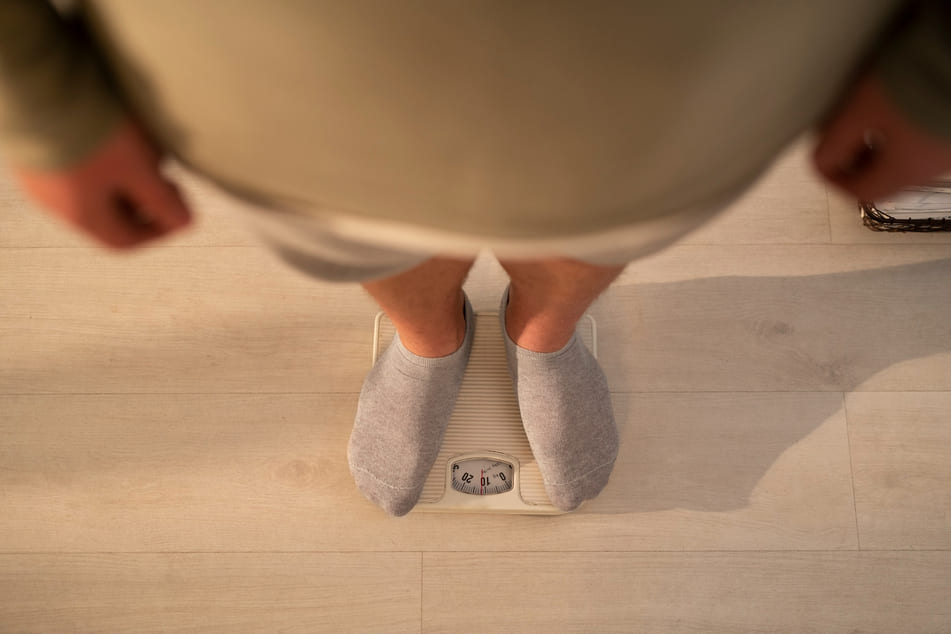
Why Fluid Control Is Critical
Patients with kidney failure can no longer remove excess water efficiently. Dialysis can only remove a limited amount of fluid safely. Overloading between sessions can:
- Increase blood pressure (hypertension)
- Cause swelling (edema)
- Lead to fluid in the lungs (pulmonary edema)
- Strain the heart (risking heart failure)
- Lead to cramping, nausea, and low blood pressure during dialysis
1.Understanding Dry Weight and Interdialytic Weight Gain (IDWG)
- Dry Weight: The weight when your body has just the right amount of fluid — no excess.
- Interdialytic Weight Gain (IDWG): The amount of weight gained between two dialysis sessions, mostly from fluid.
Target:
-
- For thrice-weekly dialysis: No more than 1.0–2.5 kg
- Higher IDWG = higher risk of complications and longer, more difficult dialysis
2.Sources of Hidden Fluids
Patients often think they’re limiting fluid, but may forget:
- Fruits and vegetables (e.g., watermelon, oranges, cucumber)
- Ice cream, soup, yogurt, gelatin
- Sauces and gravy
- Ice chips and popsicles
All these count toward the daily fluid allowance.
3.How Much Fluid Can You Have?
Fluid allowance depends on:
- Urine output
- Dialysis schedule
- Body size
- Heart function
Typical Daily Fluid Limits
- No urine output: 500–1000 ml/day (2–4 cups)
- Some urine output: May be allowed a bit more
Your nephrologist or dialysis nurse will set your specific limit.
4.Practical Tips to Control Thirst and Fluid Intake
Reduce Salt Intake
- Sodium causes the body to retain water and increases thirst
- Avoid:
- Canned soups
- Processed meats
- Pickles, salty snacks
- Fast food
- Use herbs, lemon, garlic, and vinegar instead of salt
Coping with Thirst
- Use ice chips instead of drinking full glasses
- Try sour candy or chewing gum to stimulate saliva
- Brush your teeth or rinse your mouth when thirsty
- Freeze small portions of allowed fluids for slow consumption
- Use small cups to limit intake visually
5.Daily Monitoring: Weight and Symptoms
| Day | Weight (kg) | Notes |
| Mon | 68.2 | Post-dialysis (dry weight) |
| Tue | 69.0 | Mild swelling in ankles |
| Wed | 70.1 | Pre-dialysis, feeling breathless |
- Weigh yourself daily, same time, same clothes, after urinating
- Watch for:
- Rapid weight gains (>2 kg between sessions)
- Swelling (feet, ankles, face)
- Shortness of breath
- Fatigue or chest discomfort
6.What Happens If You Gain Too Much Fluid?
Dialysis Complications
- More fluid to remove = longer/more intense dialysis
- Higher risk of:
- Muscle cramping
- Low blood pressure
- Headache or nausea
- Incomplete fluid removal
Long-Term Risks
- Chronic heart stress → left ventricular hypertrophy, heart failure
- Poor dialysis clearance
- Frequent hospitalizations
7.When to Call Your Dialysis Team
- Gaining more than 2.5 kg regularly
- New swelling or trouble breathing
- Feeling weak, dizzy, or faint
- Difficulty completing dialysis sessions
8.Family Tips
- Educate family to avoid offering excess fluids
- Cook low-sodium meals at home
- Support daily weight and symptom tracking