
Introduction
High blood pressure, or hypertension, is a common condition that affects millions of people worldwide. It is often called a “silent killer” because it typically has no obvious symptoms but can cause serious complications over time—including heart disease, stroke, and kidney failure. One of the most serious but lesser-known effects of long-standing hypertension is chronic kidney disease (CKD). Understanding how high blood pressure damages the kidneys is essential for prevention, early detection, and effective management.
What is Hypertension? (High Blood Pressure)
Hypertension is a chronic medical condition in which the pressure of the blood against the walls of your arteries is consistently too high. Arteries are the blood vessels that carry blood from your heart to the rest of your body, and when that pressure remains elevated over time, it damages both the blood vessels and the organs they supply—including the kidneys, heart, brain, and eyes.
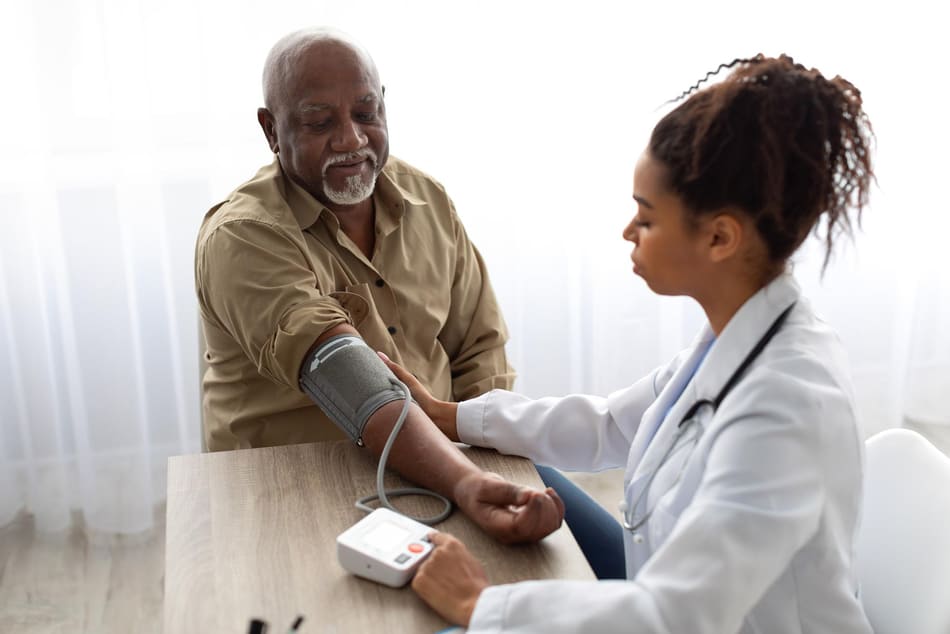
How is Blood Pressure Measured?
Blood pressure is measured using two numbers:
- Systolic pressure (top number): The pressure when your heart beats
- Diastolic pressure (bottom number): the pressure when your heart is at rest
Blood Pressure Categories (per American Heart Association):
| Category | Systolic (mm Hg) | Diastolic (mm Hg) |
| Normal | <120 | <80 |
| Elevated | 120–129 | <80 |
| High Blood Pressure (Stage 1) | 130–139 | 80–89 |
| High Blood Pressure (Stage 2) | ≥140 | ≥90 |
| Hypertensive Crisis | >180 | >120 |
Types of Hypertension
1. Primary (Essential) Hypertension:
- Most common type (90–95% of cases)
- No identifiable cause
- Develops gradually over many years
- Linked to genetics, aging, and lifestyle factors
2. Secondary Hypertension:
- Caused by an underlying condition, such as:
- Kidney disease
- Hormonal disorders (e.g., hyperthyroidism, Cushing’s syndrome)
- Obstructive sleep apnea
- Certain medications (e.g., NSAIDs, steroids, birth control pills)
- Often more sudden and severe
Risk Factors for Hypertension
- Family history
- Age (risk increases with age)
- Ethnicity (more common and severe in Black populations)
- Obesity or being overweight
- Sedentary lifestyle
- High salt (sodium) intake
- Excessive alcohol consumption
- Smoking
- Chronic stress
- Conditions like diabetes and high cholesterol
Symptoms of Hypertension
One of the dangers of hypertension is that it often causes no symptoms until significant damage has occurred. This is why it’s called the “silent killer.”
When symptoms do appear, they may include:
- Headaches (especially in severe cases)
- Dizziness or lightheadedness
- Blurred vision
- Chest pain
- Nosebleeds (rare)
- Shortness of breath
- Fatigue or confusion (especially in hypertensive crisis)
These symptoms typically occur when blood pressure is extremely high.
Diagnosis of Hypertension
To diagnose hypertension, a doctor will:
- Measure your blood pressure on multiple occasions
- Review your medical history
- Perform physical exams
- May order urine and blood tests, ECG, or echocardiogram to check for organ damage or secondary causes
How Do the Kidneys Work?
Your kidneys are two bean-shaped organs located in your lower back. Their primary job is to:
- Filter waste products and excess fluids from your blood
- Regulate electrolytes like sodium and potassium
- Control blood pressure by managing fluid balance and releasing hormones like renin
- Help produce red blood cells and activate vitamin D
Each kidney contains about a million tiny filtering units called nephrons, which are responsible for cleaning the blood.
How Hypertension Damages the Kidneys
1.Narrowing and Hardening of Blood Vessels
High blood pressure causes the small blood vessels in the kidneys to narrow, weaken, or harden. This reduces blood flow to the kidneys, impairing their ability to function properly.
2.Damage to Filtering Units (Nephrons)
Without enough blood, the nephrons cannot efficiently filter waste and fluids. This can lead to the build-up of waste products in the body, worsening overall health.
3.Scarring of Kidney Tissue
Chronic high blood pressure leads to glomerulosclerosis, a condition where the glomeruli (the filtering units) become scarred and non-functional. This damage is often irreversible.
4.Fluid and Sodium Retention
When kidneys are damaged, they may struggle to remove salt and water from the body, leading to fluid overload, which in turn worsens high blood pressure—a dangerous vicious cycle.
What is Hypertensive Nephropathy?
Hypertensive nephropathy is kidney damage caused by long-term high blood pressure. It is a leading cause of chronic kidney disease (CKD) and end-stage kidney disease (ESKD) worldwide.
Signs and Symptoms of Kidney Damage Due to Hypertension
In early stages, kidney damage may cause no symptoms. As the disease progresses, you may experience:
- Swelling in the legs, ankles, or face (due to fluid retention)
- Fatigue and weakness
- Nausea or vomiting
- Shortness of breath
- Confusion or difficulty concentrating
- Foamy or bloody urine
- Decreased urine output
Who is at Risk?
- Individuals with poorly controlled hypertension
- People with a family history of kidney disease
- Older adults
- People of African descent (who are at increased risk of both hypertension and kidney disease)
- Smokers
- People who are overweight or obese
- Individuals with other health conditions like diabetes
Prevention and Management
1. Control Your Blood Pressure:
- Monitor your blood pressure regularly.
- Aim for a target below 130/80 mmHg, or as recommended by your doctor.
- Take prescribed antihypertensive medications consistently.
2. Adopt a Kidney-Friendly Lifestyle
- Eat a balanced diet low in salt, sugar, and saturated fat.
- Follow the DASH (Dietary Approaches to Stop Hypertension) diet.
- Exercise regularly (at least 30 minutes on most days).
- Limit alcohol and quit smoking.
- Manage stress through relaxation techniques or counseling.
3. Stay Hydrated
- Drinking enough water helps the kidneys flush out toxins but avoid overhydration, especially if kidney function is already compromised.
4. Screening and Regular Check-Ups
- If you have high blood pressure, your doctor may recommend regular urine and blood tests to monitor kidney function.
- Look out for signs like protein in urine (proteinuria) and elevated creatinine or urea levels.
Treatment of Hypertension-Related Kidney Disease
While kidney damage from hypertension cannot always be reversed, progression can be slowed through:
- Tight blood pressure control (using ACE inhibitors or ARBs, which are kidney-protective)
- Treating underlying causes (like diabetes or heart disease)
- Reducing protein intake in the diet (in some cases)
- Dialysis or kidney transplant, in end-stage disease
Conclusion
High blood pressure is a leading but often under-recognized cause of kidney disease. The damage it causes is silent, progressive, and potentially life-threatening. The good news is that with early detection, healthy lifestyle choices, and proper medical care, both hypertension and kidney disease can be managed effectively. If you have high blood pressure, speak with your healthcare provider about how to protect your kidneys—your life may depend on it.